


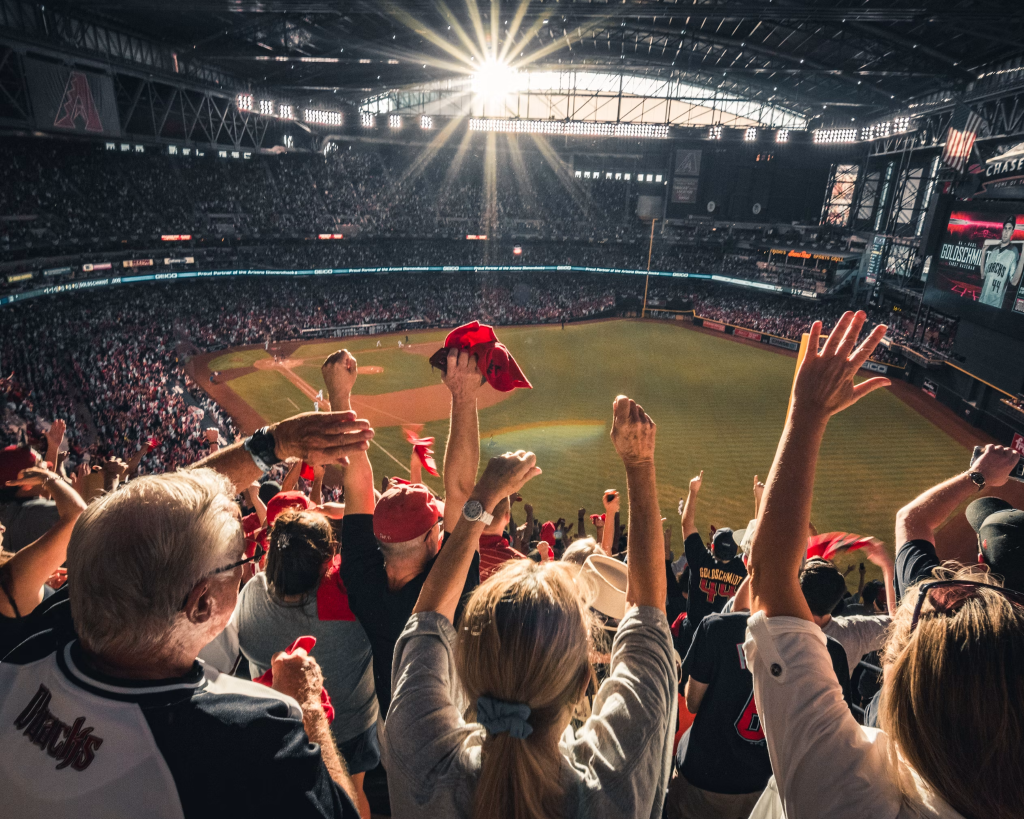
Scrolling thumbs rarely stay still for longer than a heartbeat. Social timelines refresh, push notifications buzz, and every swipe competes with a dozen others for precious seconds of focus. In this relentless feed economy, daily sports updates discovered the perfect formula: condense excitement, remove friction, and arrive exactly when curiosity peaks. Data dashboards, highlight reels, and community hubs such as spinfin now package athletic drama into snack-sized bites that slide into morning commutes and late-night doom-scrolls alike.
The Context Behind the Crunch
Fans used to read match reports over breakfast or watch extended highlight shows after work. Those habits faded as smartphone culture shrank the average attention window to a handful of minutes, sometimes mere moments. Publishers noticed rebound rates soar whenever articles demanded long stretches of concentration. The answer emerged in streaming ticker bars, vertical clips, and notification cards that unlocked the essence of a contest without demanding the entire ninety minutes. The model feels less like traditional journalism and more like an agile service keeping pace with a restless audience that hates waiting for context.
Key Ingredients of a Perfect Micro-Update
- Clarity over commentary: A single stat or score paired with a striking image tells a story faster than a paragraph.
- Timely delivery: Posts appear within minutes of a goal, trade, or injury report, so relevance never spoils.
- Platform-native design: Captions fit character limits; video formats fill vertical screens; color palettes match dark mode.
- Share-ready hooks: Quirky records or jaw-dropping plays beg for retweets and group-chat debates.
- Optional depth links: A “read more” button satisfies detail-hungry readers without slowing casual scrollers.
Algorithms, Editors, and the New News Cycle
Artificial intelligence now predicts which matches, players, or statistics will trend hours before kickoff. Editors curate push notifications accordingly, ensuring alerts feel tailored rather than spammy. Live blogging tools stitch text, short clips, and social reactions into a single thread, so followers never need to leave the platform of choice. Studio shows still analyze tactics, yet their clips reach wider audiences once chopped into sixty-second segments for mobile feeds.
Sponsorship models evolved as well. Brands integrate seamlessly by offering bonus trivia, interactive polls, or augmented-reality graphics that overlay strike zones and shot charts. Viewers accept the trade-off because the content arrives free, fast, and formatted for multitasking.
The Psychological Pull of Continual Refresh
Short updates exploit the brain’s reward system. Each vibration promises novelty, and the payoff of a fresh scoreline or record is consumed within seconds. That speed matters; cognitive studies suggest micro-doses of information deliver a dopamine lift similar to likes and shares. Sports publishers convert that pattern into loyalty, knowing fans who miss one ping will check back sooner.
Traditionalists worry that surface-level coverage erodes appreciation for nuance. Yet many outlets blend brevity with depth by embedding explainer threads beneath quick alerts. A goal notification might link to a heat-map article or a podcast episode for commuters who still crave long-form debate.
Diversification Beyond Scores
Daily sports updates no longer report only who won. Injury rehabilitation milestones, contract rumors, fantasy-league projections, and even behind-the-scenes lifestyle snippets populate feeds. Entertainment and sport collide when celebrity fans live-tweet finals, or when musicians perform during halftime shows streamed straight into the same apps pushing score alerts minutes earlier.
Big Winners in the Minute-by-Minute Race
- Casual followers: Busy schedules no longer prevent staying informed; a handful of alerts replaces full broadcasts.
- Niche leagues: Volleyball, darts, and esports reach global audiences without securing prime-time television.
- Fantasy managers: Real-time roster news enables rapid lineup tweaks that feel like a competitive edge.
- Advertisers: Precise targeting ensures sponsorship dollars reach demographics actively engaging content.
- Broadcasters: Second-screen experiences keep viewers tuned in even during lulls, extending watch time metrics.
Challenges on the Road to Instant Everything
Speed sometimes sabotages accuracy. A premature “goal” alert overturned moments later can damage credibility. Outlets battle this by layering human verification atop automated feeds, accepting a slight delay to preserve trust. Another hurdle involves notification fatigue; too many pings lead users to mute apps entirely. Editors therefore rank alerts by impact, reserving top-priority slots for decisive moments rather than every corner kick.
Monetization also walks a tightrope. Paywalls throttle reach, but purely ad-supported models risk clutter. Hybrid solutions limited free alerts with premium deep-dive content seek balance, offering enough taste to hook, enough value to convert.
Where the Model Goes Next
Voice assistants already deliver morning rundowns while listeners brush teeth. Smartwatches flash score changes without requiring phones, and car dashboards read halftime summaries aloud during traffic jams. The next frontier may involve haptic jerseys vibrating with team-specific signals or mixed-reality glasses projecting shot maps onto living-room walls.
However exotic the interface becomes, the core principle remains unchanged: deliver exactly what the fan needs at the precise moment attention is available. In an era where seconds carry market value, daily sports updates mastered the art of compressing passion into pulses. The result is a news cycle that mirrors modern life fast, fragmented, and constantly refreshing, yet still capable of igniting conversation every time a final whistle blows.