


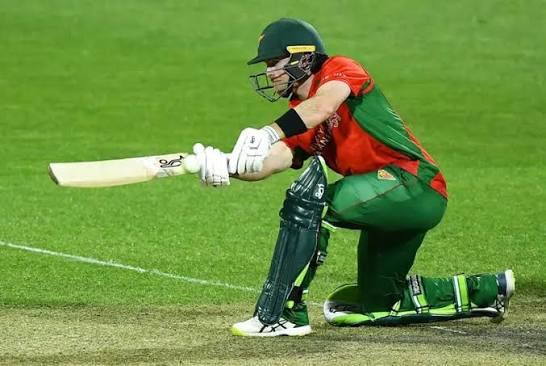
Cricket fandom used to be tied to a place. The living room. The local tea stall with the TV tuned in. A friend’s house where everyone pretended they understood swing early on. Now it’s tied to a moment. A wicket. A last-over chase. A surprise cameo. And those moments show up on phones first, most of the time.
That’s why platforms built around real-time coverage keep gaining ground. If a fan wants a quick feel for how live match tracking is presented today, the tamasha app live cricket is a decent example of the “always-on” format: live updates, match context, and that constant sense that something could change on the next ball.
Live streaming is growing because people still love watching. Match tracking is growing because people can’t always watch. Together, they cover basically everyone.
Cricket fits modern life better when it’s broken into pieces
A full cricket match is a commitment. Even a T20 can demand an evening. ODIs stretch into “check the score at work” territory. Tests are their own universe.
But modern viewing habits are built around fragments:
- 30 seconds in a lift
- 5 minutes between calls
- a glance at the score while standing in a queue
- a quick highlight clip when the group chat goes wild
Live tracking makes cricket compatible with that reality. It lets fans follow the match without pretending they’re available for every over.
And honestly, it’s not a downgrade for many people. It’s just a different style of fandom.
FOMO is real, and cricket is basically engineered for it
One reason live coverage keeps growing is simple: cricket produces high-drama moments on a schedule. Powerplays. Death overs. New batter at the crease. A bowler on a hat-trick. A review that could flip the innings.
Fans don’t want to miss those moments, even if they can’t sit through the slow build. Live platforms feed that fear of missing out in a very practical way:
- push alerts for wickets and milestones
- rapid summaries for “what happened in the last 3 overs”
- timelines that make it easy to catch up fast
It’s like being able to jump into a movie right when the plot twist hits, without watching the first hour.
Live streaming got less annoying
Streaming used to be the compromise option. Lower quality, buffering, lag, and that awkward situation where social media spoiled the wicket before the stream showed it.
Tech improvements have changed the experience:
- better adaptive streaming, so video adjusts without constantly freezing
- stronger content delivery networks, so streams load quicker across regions
- improved compression, so quality stays decent even on mobile data
- smarter apps that resume smoothly after interruptions
Is streaming perfect? No. But it’s good enough now that a lot of fans treat it as the default, not the backup.
Match tracking is no longer “just the score”
A decade ago, match tracking meant runs, wickets, overs. That’s it.
Now, tracking platforms are basically live explainers. They add context that helps fans understand the match without watching every ball:
- required run rate pressure
- partnership pace
- phase breakdowns (powerplay vs middle vs death)
- batting and bowling cards that update instantly
- quick notes on key moments and momentum shifts
For newer fans, this matters a lot. Cricket has layers. Good tracking tools make those layers visible without making the sport feel like homework.
The group chat effect keeps cricket “live” all day
Cricket isn’t watched in silence anymore. It’s watched with commentary from friends who should probably be doing their jobs.
When a match is on, group chats become mini newsrooms:
- screenshots of the score
- “what’s the equation now?”
- a clip of a ridiculous catch
- arguments over reviews and umpiring
Live match tracking has become the shared reference point in those chats. It’s how people settle debates fast. Or start new ones, more accurately.
This social layer also keeps casual fans involved. Someone who wasn’t planning to follow the match ends up checking updates because the chat is too loud to ignore.
Highlights became faster than broadcasts
Broadcast highlights used to be a packaged product. Now highlights are a living stream of clips, reactions, and edits.
A wicket falls and within minutes:
- the clip is circulating
- the meme versions are out
- the analysis thread has started
- the “best angle” replay has been reposted three times
Live platforms feed this cycle by making key moments easy to find and easy to share. It turns match-following into a constant drip of content, not a single long viewing session.
Fans want control over how much cricket they consume
This is a subtle shift. In the past, watching cricket meant accepting the broadcast format. Now fans choose their level of engagement.
Some want full streaming with commentary. Some want silent tracking with numbers only. Others want a hybrid: watch key moments, track everything else.
That flexibility is part of why popularity keeps rising. People don’t have to choose between “all in” and “not following.” They can slide up and down the intensity scale depending on the day.
Busy day? Track the score. Free evening? Stream it. Meeting running late? Check a quick over summary. No guilt, no missing the whole story.
Personalization makes live cricket feel tailored, not generic
Modern platforms are getting better at meeting fans where they are:
- favorite teams pinned automatically
- match alerts filtered by what users actually care about
- language options and simplified views for quick checks
- cleaner layouts for mobile-first use
This personalization doesn’t need to be fancy. Even basic “show the matches that matter to this user” is enough to improve habits. Fans return to platforms that respect time and attention.
Better coverage for more leagues, not just the big ones
The IPL drives massive viewership, sure. But growth also comes from improved digital coverage of everything around it:
- domestic leagues
- women’s cricket
- bilateral series that don’t get prime-time hype
- U19 tournaments and emerging tours
As platforms expand coverage, they create more “always live” days on the calendar. More matches means more reasons to check in. It’s not rocket science, it’s supply meeting demand.
Real-time coverage also builds trust when it’s consistent
Sports fans are brutally sensitive to errors. Wrong score? Wrong striker? Incorrect over count? People notice instantly.
The platforms that win long-term are the ones that feel reliable under pressure:
- stable updates during traffic spikes
- clear match state labeling (rain delay, stumps, finished)
- fast corrections when official decisions change
- predictable navigation that doesn’t reset mid-refresh
A live match environment that feels calm and consistent becomes a habit. A glitchy one becomes a one-time visit.
The future is more layers, not just more video
Live cricket popularity will keep growing, but it won’t be only about higher resolution streams. The next wave is about richer live experiences:
- multi-view options (different angles, different match views)
- cleaner data overlays that explain without cluttering
- smarter “catch up” summaries for late joiners
- more interactive elements that don’t distract from the game
The best platforms will keep the core simple: show what matters right now, make it easy to understand, and don’t waste people’s time.
Bottom line
Live cricket streaming and match tracking keep growing because they fit real life. They match how fans actually behave today: mobile-first, time-poor, socially connected, and hungry for instant context.
Cricket is still cricket. The bat still meets the ball the same way. What changed is access. The match is no longer something fans sit down to watch. It’s something they carry around, check in on, argue about, and dip into whenever the moment feels big enough. That’s not a phase. That’s the new normal.