


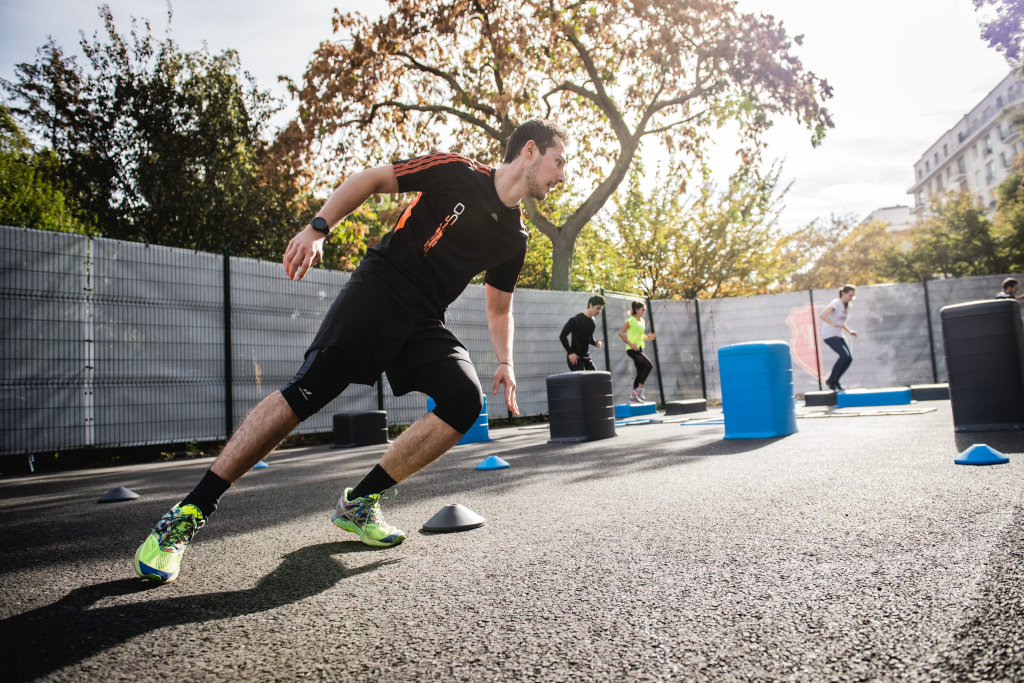
Sports training used to have a simple rule: work hard, repeat often, and trust the coach’s eye. That method built champions for decades, so it should not be mocked. Experience still matters. A good coach can spot lazy footwork, poor timing, or bad posture before any device says a word. Still, sport has changed. Modern preparation now uses data, recovery science, nutrition planning, and movement analysis in a way that would have looked almost futuristic not long ago.
The change is visible far beyond elite stadiums. Fitness apps, amateur clubs, school teams, and digital sports platforms such as x3bet have made performance data part of normal sports culture. Training is no longer only about doing more laps, lifting heavier weights, or staying longer after practice. The better question now is different: what kind of work actually helps the body improve?
Hard Work Is No Longer Enough
Old training culture often praised exhaustion. A tired athlete looked serious. A painful session looked productive. More sweat meant more commitment. That idea still has a certain old-school charm, but science has made it harder to accept without question.
The body does not become stronger during effort alone. Progress happens after the session, when muscles repair, energy stores return, and the nervous system settles. Without enough recovery, the same hard work can turn into poor performance, slow reaction time, and higher injury risk.
That does not mean modern sport became soft. Quite the opposite. Training became sharper. Effort now needs a reason. Every sprint, gym set, recovery drill, and nutrition choice should support a clear goal.
Data Entered the Training Ground
The biggest shift came when coaches started measuring things that used to be guessed. GPS trackers show sprint distance and running load. Heart-rate monitors reveal how much stress a session creates. Force plates measure power, balance, and fatigue. Video tools catch movement details too small for the naked eye.
Numbers That Changed Daily Training
- Heart-rate response
This shows how hard the body works during a drill and how quickly recovery begins afterward. - Sprint and running load
GPS tracking helps coaches avoid too much high-speed work in a short period. - Jump power
A lower jump score can suggest tired legs before an athlete even complains. - Sleep and recovery patterns
Poor sleep often explains flat performance better than attitude or motivation.
These numbers are useful, but only with good interpretation. A chart cannot understand pressure, travel stress, confidence, or a bad week at home. That is where coaching still earns respect.
Recovery Became Serious Work
For a long time, recovery sounded like a bonus. Real training happened on the field or in the gym. Rest was something squeezed in later. Modern sports science changed that view.
Recovery is now planned with almost the same care as the workout itself. Sleep quality, mobility work, massage, breathing routines, hydration, and lighter sessions all matter. A football player after two matches in one week cannot train like someone fresh from a holiday. A tennis player after a long tournament needs a different plan from a sprinter preparing for one race.
This is not laziness. It is maintenance. A race car does not become faster because the engine is ignored between races. Human bodies are not machines, but the principle still makes sense.
Technology Made Technique More Honest
Video analysis has removed a lot of guesswork from technique. A coach can slow down a movement, compare it with last month’s version, and show exactly where timing changed. This makes feedback clearer and less personal. Instead of saying “move better,” the screen shows the problem.
In swimming, cameras reveal body position under water. In basketball, shot tracking shows release angle and consistency. In football, tactical software studies spacing, pressing, and passing choices. Even gym lifts can be reviewed frame by frame.
Where Science Helps Most
- Injury prevention
Movement changes can reveal risk before pain becomes serious. - Individual planning
Different bodies respond differently, so one plan cannot suit everyone. - Cleaner technique
Video and sensors make small mistakes easier to correct. - Smarter progress tracking
Improvement can be followed over weeks, not judged by mood after one session.
This is probably the least flashy part of modern training, but also one of the most useful. Less wasted effort means more useful work.
The Coach Still Matters
Science has improved training, but sport has not become a spreadsheet. Pressure, confidence, rhythm, fear, rivalry, and team spirit still affect performance. A perfect recovery score does not guarantee a perfect match. A strong gym result does not automatically create better decision-making in the final minute.
The best training rooms do not worship data. They use data. There is a difference. A number can start a conversation, but it should not end one. Experienced coaches still know when to push, when to pause, and when an athlete needs belief more than another test.
The Future of Training Looks Smarter, Not Easier
Sports training became more scientific because competition became tighter. Talent still matters, but talent without structure wastes too much potential. Modern preparation now asks better questions: how much work is useful, when does fatigue become risky, what needs fixing, and which habit creates real improvement?
The future will bring more AI tools, better sensors, and faster analysis. Still, the core idea will stay simple. Great training is not about suffering for the sake of suffering. It is about effort placed in the right direction. That may sound less heroic than old locker-room speeches, but it builds stronger athletes, longer careers, and better performances when the scoreboard stops being polite.
