


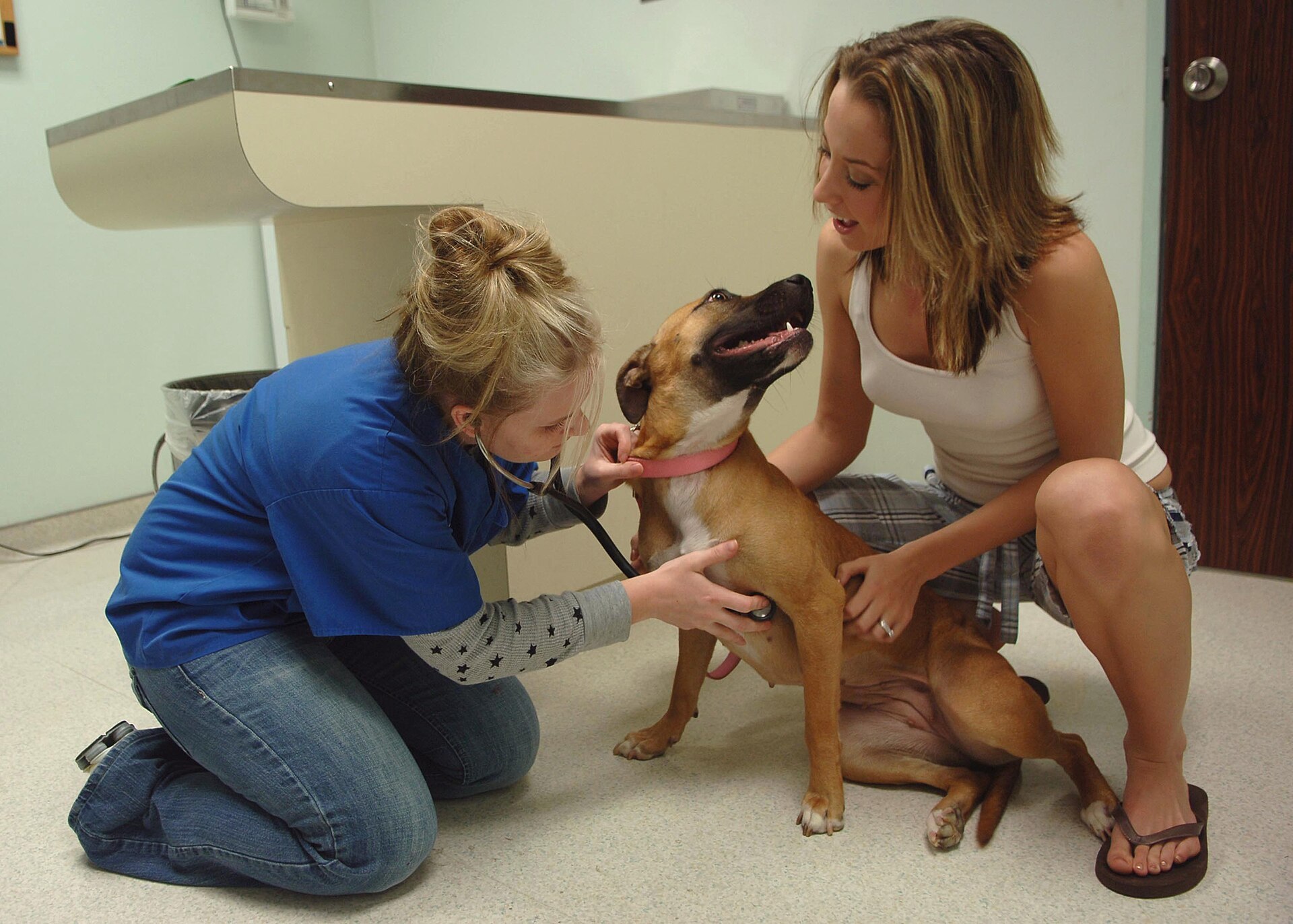
Scientists studying how the gut talks to the brain have found an unlikely star witness: the family dog. New research programmes are pioneering the canine model in microbiota-gut-brain studies of social and affective disorders, arguing that dogs — who share our homes, our food environments and even many of our microbes — offer a window into the biology of anxiety and sociability that laboratory animals cannot match.
The gut-brain axis is one of the hottest frontiers in medicine. The trillions of microbes in the digestive tract produce neurotransmitter precursors, train the immune system and send signals along the vagus nerve, and imbalances in that community have been linked to depression, anxiety and neurodevelopmental conditions. But translating findings from mice — whose guts, diets and social lives differ wildly from ours — has proven frustrating. Dogs live the human microbial lifestyle: same houses, same cities, similar processed-food exposure, and lifespans long enough to study ageing. The National Institutes of Health has increasingly funded companion-animal research for exactly this translational value.
What the Canine Studies Are Finding
Researchers pair stool-sample sequencing with behavioural assessments — how a dog greets strangers, copes with separation, learns and plays — to find microbial patterns that track with temperament. Early results suggest anxious and reactive dogs carry measurably different gut communities from calm, sociable ones, with diversity of the microbiome emerging as a recurring marker. Because dogs receive veterinary care throughout life, researchers can also watch how antibiotics, diet changes and probiotics shift both microbes and behaviour over time.
The model has a built-in ethical advantage: the subjects are patients, not just instruments. Interventions tested in anxious dogs aim to help those dogs, while generating knowledge that flows back into human medicine. Our news coverage of science has followed the one-health movement — the recognition that human, animal and environmental health are a single system — and the canine gut-brain work is its textbook example.
Implications for Human Mental Health
If microbial signatures of anxiety prove consistent across dogs and humans, the applications run from diagnostics (a stool test that flags risk) to treatment (targeted probiotics or diets as adjuncts to therapy). Reporting in Nature on microbiome research cautions that the field must still separate cause from correlation — but dogs, whose environments can be documented and whose behaviour can be tested directly, offer a rare chance to do exactly that.
There is something satisfying in the symmetry of it. We shaped dogs over thirty thousand years to read our emotions and live in our world. Now their inner worlds — microbial and emotional alike — may help us understand our own.
From Kennels to Clinics
The translational promise runs in both directions, and that reciprocity may be the model’s most important feature. A probiotic blend that calms anxious dogs in a controlled trial is a veterinary product and a human research lead at the same time; a microbial signature of cognitive decline in ageing dogs speaks directly to Alzheimer’s research in ageing humans, who share the dogs’ environment and much of their exposure history. Pharmaceutical and nutrition companies have noticed, funding canine cohorts with a seriousness once reserved for primate studies. Sceptics rightly note that the gut-brain field has over-promised before, and that microbiome associations have a habit of dissolving under stricter controls. But the canine programme is built to apply those stricter controls — longitudinal sampling, documented diets, validated behaviour testing — in a species whose relevance to humans is the entire point. The dog, domesticated to understand us, may end up explaining us to ourselves.
