


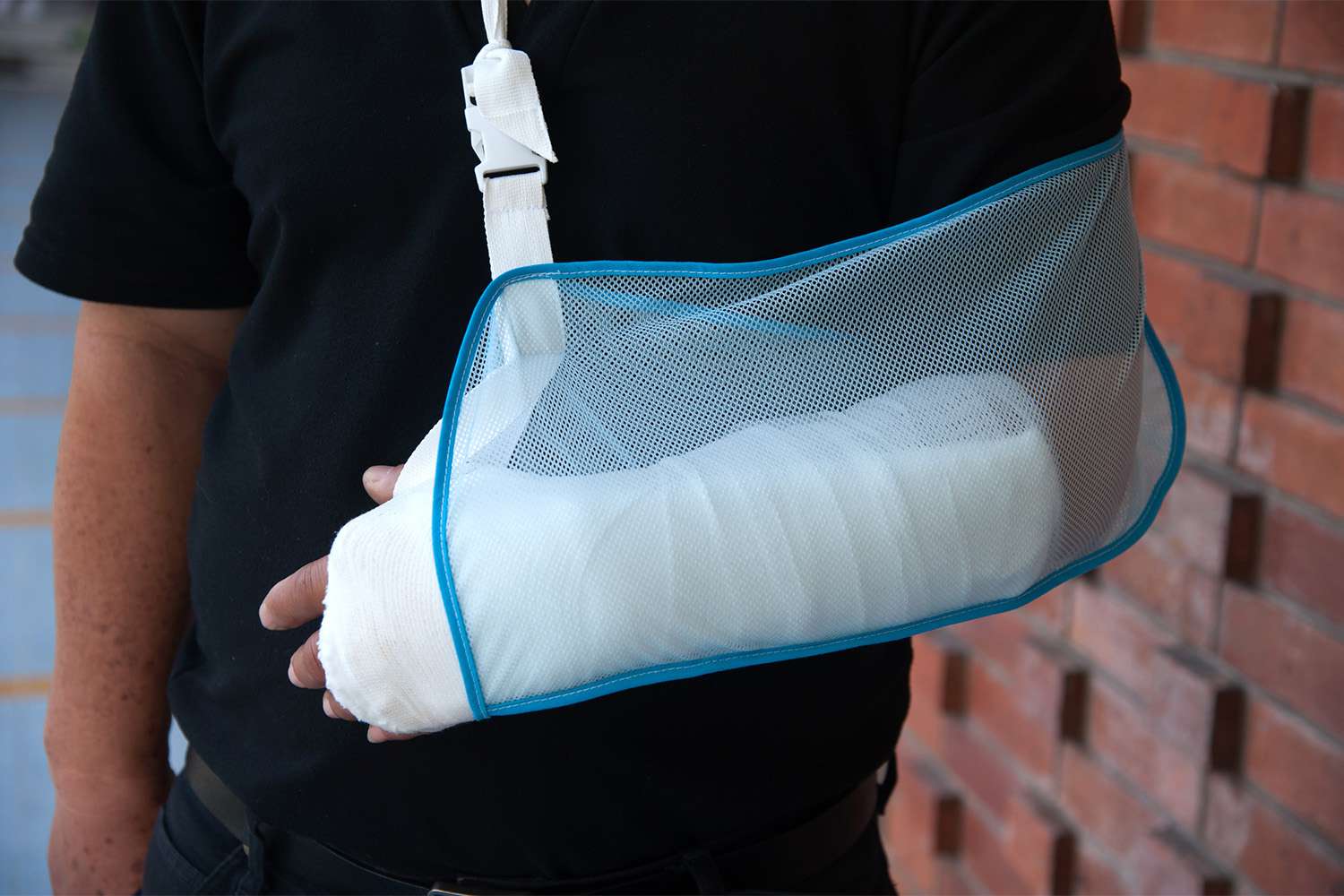
An arm sling is a support that holds the arm at a 90 degree angle. This is support and protection. It is important to wear an arm sling the correct way. It helps protect the arm after recovery. Arm sling aids in the healing process and helps to boost up recovery. Everyone needs to stay productive during and after injury. In that sense, providing more support to injured arms can help in carrying out daily tasks more easily. Let it be a minor surgical injury of the elbow or wrist.
A properly fitted arm sling prevents unnecessary movement of the arm. It can also help to reduce pain by limiting movement that could make the injury worse. It is very important for you to know the type of injury you have. Also, how much immobility is required in order to select the correct type of sling.
Proper immobilization and core support are essential to recover. An arm sling will prevent further injury. It reduces pain, and improves faster recovery.
Why do you need to wear an arm sling?
- Secures the arm to prevent unnecessary movement
- Relieves pain
- Reduces swelling
- Prevention of the shoulder joint and rotation
- Quick recovery
If you are recovering from a fracture, dislocation or general care after surgery, an arm sling is an essential part of your rehabilitation.
Advantages of Wearing an Arm Sling While Recovering
Benefits of an arm sling that can help you recover are:
Restrict Unnecessary Motion
Some injuries, like fractures and dislocations, can become worse when you move. An arm sling prevents such movements and restricts movement of the injured part. It also immobilizes to keep the arm still and reduces the chance of further injury.
Less Arm Discomfort
For good reason, wearing a support device for recovery is often recommended. The distribution of the weight of the sling also has the effect of relieving the arm from pain. For arm injuries, the arm sling helps to support the arm, spreading the weight and reducing the pain.
Helps to Accelerate the Healing Process
It helps to improve blood circulation by keeping the injured arm slightly elevated. The arm sling pouch promotes proper positioning and permits blood to flow to the injured part without obstruction. It enables oxygen and nutrients to reach the tissues. It sets up an environment for rapid healing.
Injury Protection Against Unnecessary Injuries
An arm sling offers you a layer of protection from unintended injuries and bumps while your arm is healing. Even the tiniest of such hazards can threaten the ongoing process of recovery. Arm Sling Pouch is a supportive gear that holds the arm close to the body and reduces the chances of getting injured again.
How to Wear a Shoulder Sling Correctly?
- Slide the sling carefully up your arm and elbow. It should sit comfortably around your elbow with your hand held comfortably so the material doesn’t dig into your wrist or hand. If your hand falls through, the sling may be too small.
- Reach behind your neck and grab the strap behind your elbow.
- Put the strap around your neck and through the loop by your hand.
- Pull the straps tight so your hand and forearm are above your elbow. This prevents blood and fluid from collecting.
- Fasten the strap using the fasteners. Add a soft cloth under the strap on your neck for extra comfort.
- Grab some additional straps. If your sling has a strap around your back to hold the elbow close, reach behind, pull the strap around and fasten it near your hand. 7. Make sure it’s not too tight, you want two or three fingers between your body and the strap.
Your shoulder sling should be comfortable with your arm at a 90 degree angle. It should allow your shoulder, elbow and wrist to rest comfortably so that you can go about your daily life comfortably.
Conclusion
You may feel held back at first by the arm sling or arm sling pouch but it doesn’t have to stop you from being productive. Simplify your routine. Give yourself permission to relax when you need to. Now the right healing means coming back to your routine with full strength and zeal.
Arm slings are very important for support in the healing process of the upper limbs during and after injuries. They give stability to the injured area. It takes away the pain of an arm. If you are suffering from a sprained wrist you need an arm sling that fits your priorities. The correct arm sling helps to keep the arm and shoulder in the desired direction by preventing unnecessary movement. It prevents re-injury and enhances recovery.
Also, it helps to improve the recovery faster and in the best way. An individual is able to return to their normal day to day routine. Always consult a medical practitioner for size and suitable arm sling as per your injury.