


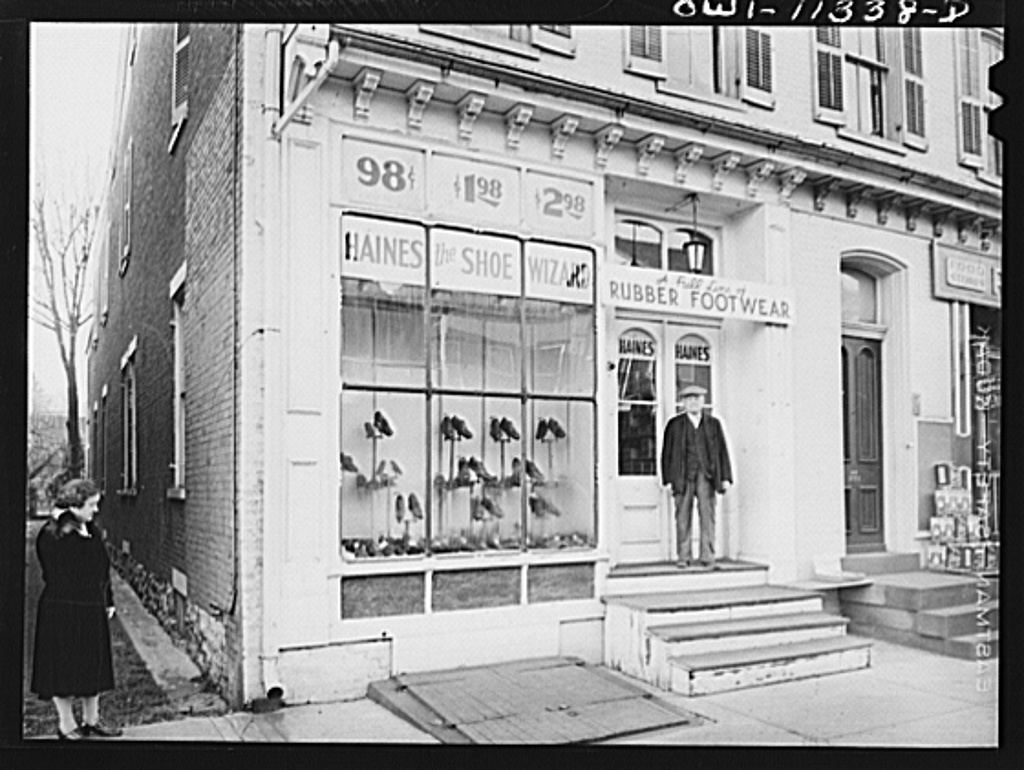
The obituary of local news has been written so often that the corpse keeps embarrassing the mourners by getting up. The printed weekly is indeed fading — costs, classifieds and readers all moved online. But the thing the paper did — watching the council, printing the school results, naming the planning application — is being rebuilt in new vessels: email newsletters with fiercely local lists, community radio with podcast manners, and one-person digital newsrooms run from kitchen tables with professional standards.
The new vessels
What unites the successful successors is a return to the old economics of trust. They are small enough to be answerable — the editor is visible at the market — and specific enough to be indispensable: no national wire copy, no content farming, just this town, covered properly. Revenue follows the same logic: local advertisers buying a real audience, readers paying small subscriptions for coverage that exists nowhere else. Foundations studying the transition, including the LION Publishers network of independent local outlets, count hundreds of such operations now past the fragile stage.
What was genuinely lost
Honesty requires naming the losses. The old papers employed courts reporters, full-time photographers and sub-editors whose checking saved readers from a thousand errors; the new vessels rarely can. Institutional memory — the archive in the basement, the editor who covered the same council for thirty years — does not transfer with the audience. The rebuild is real, but it is a rebuild, and some rooms of the old house will not be reconstructed. Our news pages chronicle both sides of the ledger as the transition reaches our own region.
The reader’s role changed
In the print era, local news was a utility, delivered like water. In the digital rebuild, it is a membership: it survives where readers decide it should, with subscriptions, tips and attention. That is a more fragile arrangement — and, the new editors insist, a more honest one. The town gets the journalism it is willing to keep. Increasingly, towns are deciding to keep it.
The policy world has begun to respond — tax credits for local journalism jobs, funds for reporting in news deserts, public notices returning to local outlets. Whether such support can arrive without strings that compromise the watching is the debate to follow. The health of the rebuild may depend on getting that answer right.
For readers who want to help, the instructions are pleasantly concrete: subscribe to one local outlet, share its stories rather than screenshots of them, and send it the tips — the meeting, the closure, the quiet scandal — that algorithms cannot find. Local news was always a collaboration. It is just explicit now.
What the rebuild needs most is patience measured in years: audiences accumulate slowly, trust more slowly still, and the economics only settle once both compound. The towns that started five years ago are the case studies quoted today. The towns that start this year will be quoted in five years — which is the strongest argument for starting.
