


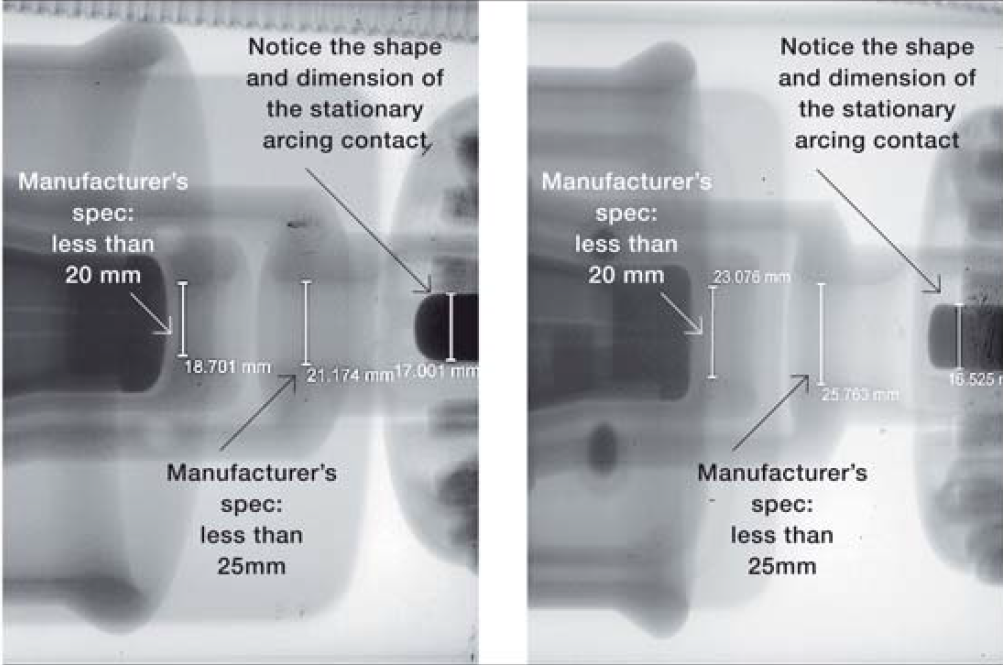
X-ray inspection systems are widely used across industries such as manufacturing, food processing, electronics, security screening, and non-destructive testing, where accuracy, safety, and quality assurance are essential. At the core of these systems is voltage regulation, which ensures stable electrical performance during operation. Without proper voltage control, even advanced imaging systems can produce unreliable results.
Power fluctuations can affect image clarity, reduce inspection accuracy, and compromise equipment safety. This makes voltage regulation a critical engineering requirement in X-ray technology. In high-performance applications, an X ray high voltage power supply plays a key role in delivering consistent energy and stable imaging output.
Understanding Voltage Regulation in X-Ray Systems
Voltage regulation refers to the process of maintaining a steady and controlled high-voltage output to the X-ray tube, regardless of variations in input power. X-ray tubes require extremely precise voltage levels to generate consistent radiation beams.
Even small fluctuations can affect:
- Beam intensity
- Penetration depth
- Image contrast
- Detection accuracy
In simple terms, voltage regulation ensures that every scan produces the same quality output, even under changing electrical conditions. This stability is essential in industrial environments where machines operate continuously for long hours.
A properly engineered high-voltage power supplier plays a crucial role in maintaining this consistency and preventing unwanted variations in output.
Why Stable Voltage is Critical for Image Accuracy
Image accuracy is the foundation of any X-ray inspection system. Whether detecting internal cracks in metal components or identifying foreign particles in packaged food, clarity and precision are non-negotiable.
When the voltage is unstable, the resulting image may suffer from:
- Uneven brightness
- Reduced contrast
- Distorted internal structures
- Loss of fine detail
These inconsistencies can lead to incorrect interpretation of results. In industries such as aerospace or automotive manufacturing, even minor inspection errors can lead to serious safety risks.
A stable X-ray high-voltage power supply ensures that radiation output remains uniform, allowing imaging systems to produce sharp, reliable, and repeatable results.
Impact on Industrial Inspection Performance
Industrial inspection systems often operate in high-demand environments where thousands of components are scanned daily. In such conditions, consistency is more important than anything else.
Stable voltage regulation improves:
- Throughput efficiency
- Defect detection reliability
- System repeatability
- Automation accuracy
For example, in production lines, automated X-ray scanners rely on consistent imaging to make real-time pass/fail decisions. If the voltage fluctuates, the system may incorrectly classify products, leading to waste or safety issues.
This is why manufacturers depend on advanced power systems provided by a reliable high-voltage power supplier, ensuring stable performance even under heavy workloads.
Role in Equipment Safety and Longevity
X-ray systems operate under extremely high energy levels, making them sensitive to electrical instability. Poor voltage regulation can cause significant stress on internal components, especially the X-ray tube.
Potential risks of unstable voltage include:
- Overheating of tube components
- Electrical stress damage
- Reduced the lifespan of equipment
- Unexpected system shutdowns
Proper regulation minimizes these risks by ensuring smooth energy delivery. This not only improves safety but also reduces maintenance costs and downtime.
A well-designed X-ray high-voltage power supply helps protect sensitive components, ensuring long-term operational stability in demanding industrial environments.
Applications Where Voltage Regulation is Essential
Security Screening Systems
Airports, border checkpoints, and cargo inspection systems rely heavily on continuous operation. Voltage instability can lead to inconsistent scanning results, increasing the risk of undetected threats or false alarms.
Industrial Non-Destructive Testing (NDT)
In manufacturing industries, X-ray systems are used to inspect welds, castings, and structural components. Stable voltage ensures accurate detection of internal defects without damaging the product.
Food Safety Inspection
Food processing industries use X-ray systems to detect contaminants like metal, glass, or stone. Voltage fluctuations can reduce detection sensitivity, leading to safety risks.
Electronics and Semiconductor Inspection
Modern electronics contain extremely small and delicate components. High-resolution imaging is required, and even slight voltage changes can distort microscopic details.
Across all these applications, a stable high voltage power supplier ensures consistent performance and reliable inspection outcomes.
Common Problems Caused by Poor Voltage Regulation
When voltage regulation is not properly maintained, several operational issues can occur:
- Inconsistent image quality
- Reduced detection accuracy
- Frequent calibration requirements
- Increased maintenance costs
- Higher risk of equipment failure
These problems not only affect productivity but also compromise safety standards. In high-precision industries, such instability can lead to serious financial and operational losses.
Engineering Solutions for Voltage Stability
Modern X-ray systems incorporate advanced engineering techniques to ensure stable voltage output. These include real-time feedback loops, digital control systems, and precision-designed power modules.
Key solutions include:
- Closed-loop voltage control systems
- Real-time monitoring and adjustment
- Advanced insulation and shielding techniques
- Temperature compensation systems
These technologies work together to maintain a steady output even when external conditions fluctuate. A high-quality X-ray high-voltage power supply is engineered to handle industrial variations while delivering consistent performance.
Importance of Maintenance and Calibration
Even the most advanced systems require regular maintenance to ensure long-term stability. Proper calibration helps maintain voltage accuracy and prevents performance degradation over time.
Best maintenance practices include:
- Routine inspection of power modules
- Regular calibration of voltage output
- Monitoring temperature and load conditions
- Replacing aging components proactively
A dependable high-voltage power supplier often provides technical support and maintenance guidelines to ensure optimal system performance throughout its lifecycle.
Conclusion
Voltage regulation is vital for ensuring accuracy, stability, and safety in X-ray inspection systems and X ray high voltage power supply. It guarantees consistent imaging quality, protects sensitive components, and enhances operational efficiency across industries. Proper control of high-voltage output reduces errors and downtime, supporting reliable inspections. Stable systems ultimately depend on precise energy management for delivering clear, accurate, and dependable results in all applications.
Leading innovator in industrial imaging and inspection technology solutions globally, VJ X-Ray delivers advanced engineering solutions in high-voltage X-ray technology, offering precision-designed systems for industrial inspection, security screening, and analytical applications. With expertise in integrated X-ray sources and power systems, they focus on reliability, performance, and innovation. Their solutions support consistent imaging accuracy, helping industries achieve efficient, safe, and high-quality inspection results through advanced technological capabilities and global experience.
