


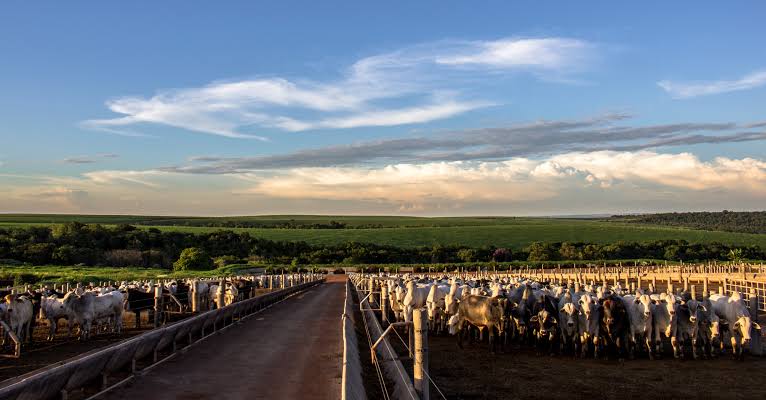
Modern feedlots have evolved far beyond simple livestock holding areas. Today’s commercial feedlot operations are carefully planned to support animal welfare, operational efficiency, environmental sustainability, and long term productivity. As Australia’s livestock industry continues adopting improved farming practices, feedlot design has become a key factor influencing both business performance and animal health.
Whether developing a new operation or evaluating commercial feedlots for sale, understanding the features of modern feedlot design can help producers make more informed investment and management decisions.
Animal Welfare Is Central To Modern Feedlot Design
Well-designed feedlots place animal comfort and welfare at the centre of daily operations. Comfortable livestock are generally easier to manage and may experience lower levels of stress, which supports overall herd management.
Modern feedlots often include features such as:
- Adequate space for movement
- Reliable access to clean drinking water
- Well-designed feeding areas
- Shade structures where appropriate
- Comfortable resting surfaces
- Effective drainage systems
These features help create a healthier environment while supporting consistent livestock care.
Efficient Pen Layout Improves Daily Operations
The arrangement of livestock pens has a significant impact on operational efficiency.
Modern layouts are designed to improve:
- Livestock movement
- Feed delivery efficiency
- Equipment access
- Cleaning operations
- Stock monitoring
- Worker safety
Well-planned traffic flow reduces unnecessary labour while helping staff manage livestock more effectively throughout the day.
Efficient layouts also simplify ongoing maintenance.
Drainage Systems Protect Animal Health
Water management is one of the most important aspects of feedlot construction.
Poor drainage can create muddy conditions that affect animal comfort, increase disease risk, and complicate daily operations.
Modern feedlots are typically designed with carefully engineered drainage systems that help remove excess water quickly while reducing erosion and maintaining cleaner pen conditions.
Good drainage supports both animal welfare and operational productivity.
Feeding Systems Continue To Improve
Advances in feed delivery systems have improved consistency and reduced waste across commercial feedlot operations.
Modern feedlots often incorporate:
- Efficient feed bunk layouts
- Mechanised feed distribution
- Easy equipment access
- Controlled feeding schedules
These systems help improve feed management while reducing labour requirements and supporting more consistent livestock nutrition.
Efficient feeding contributes to overall operational performance.
Water Infrastructure Plays A Critical Role
Reliable access to clean water remains essential for livestock health.
Modern feedlot designs include strategically positioned watering systems that provide easy access while minimising contamination and simplifying maintenance.
Automatic watering equipment and regular monitoring systems also help improve operational efficiency.
Well-designed water infrastructure supports healthy livestock throughout the production cycle.
Technology Is Transforming Feedlot Management
Technology is becoming increasingly integrated into modern feedlot operations.
Many commercial facilities now use digital systems for:
- Livestock monitoring
- Feed management
- Environmental monitoring
- Data collection
- Equipment scheduling
- Operational reporting
Technology helps operators make more informed management decisions while improving productivity and resource efficiency.
Data-driven management continues growing across the livestock industry.
Environmental Management Is A Growing Priority
Modern feedlot planning increasingly considers environmental responsibilities alongside productivity.
Current designs may include:
- Stormwater management
- Waste handling systems
- Dust control measures
- Erosion prevention
- Nutrient management planning
These practices help support regulatory compliance while improving long-term sustainability.
Environmental planning has become an important component of commercial livestock operations.
Infrastructure Supports Long-Term Investment Value
When evaluating commercial feedlots for sale, buyers often consider infrastructure quality as carefully as location or production capacity.
Well-designed facilities with durable fencing, efficient road access, modern feeding systems, reliable water infrastructure, and quality livestock handling facilities may offer stronger long-term operational value.
Infrastructure quality often influences maintenance costs and future business flexibility.
Future Expansion Is Easier With Good Design
Modern feedlots are often planned with future growth in mind.
Flexible layouts can make it easier to expand livestock capacity, upgrade equipment, or introduce new technologies without major operational disruption.
Scalable infrastructure allows businesses to adapt as market conditions and production requirements change.
Forward planning supports long-term business resilience.
Helpful Related Livestock Research
Producers also benefit from reviewing livestock handling facility design principles and sustainable cattle farming management strategies because these related topics strengthen broader understanding of efficient livestock operations and long-term agricultural planning.
Better planning supports stronger operational performance.
Final Thoughts On Modern Feedlot Design
Modern feedlot design combines efficient infrastructure, thoughtful animal welfare practices, environmental responsibility, and advanced technology to create productive livestock operations. Features such as well-planned pen layouts, reliable water systems, effective drainage, efficient feeding infrastructure, and scalable designs all contribute to improved operational outcomes.
For producers exploring commercial feedlots for sale, evaluating the quality of the facility’s design is just as important as assessing its location or production capacity.
As Australia’s livestock industry continues to evolve, modern feedlot design will remain a key factor in supporting animal welfare, operational efficiency, and long-term agricultural success.