


The info and data available on the web can be overwhelming. There are billions of web pages available, but not all pages are relevant to what the user may be searching for. People often find that the time spent sifting through the search results does not yield the information they are looking for.
Thankfully, there is a tool available 최신 주소사이트 to help make this tedious search easier. This tool is referred to as a link collection system. This system can help organize and structure the available link collections and help make searching the web a more streamlined experience.
The Structure Behind Link Collection Systems
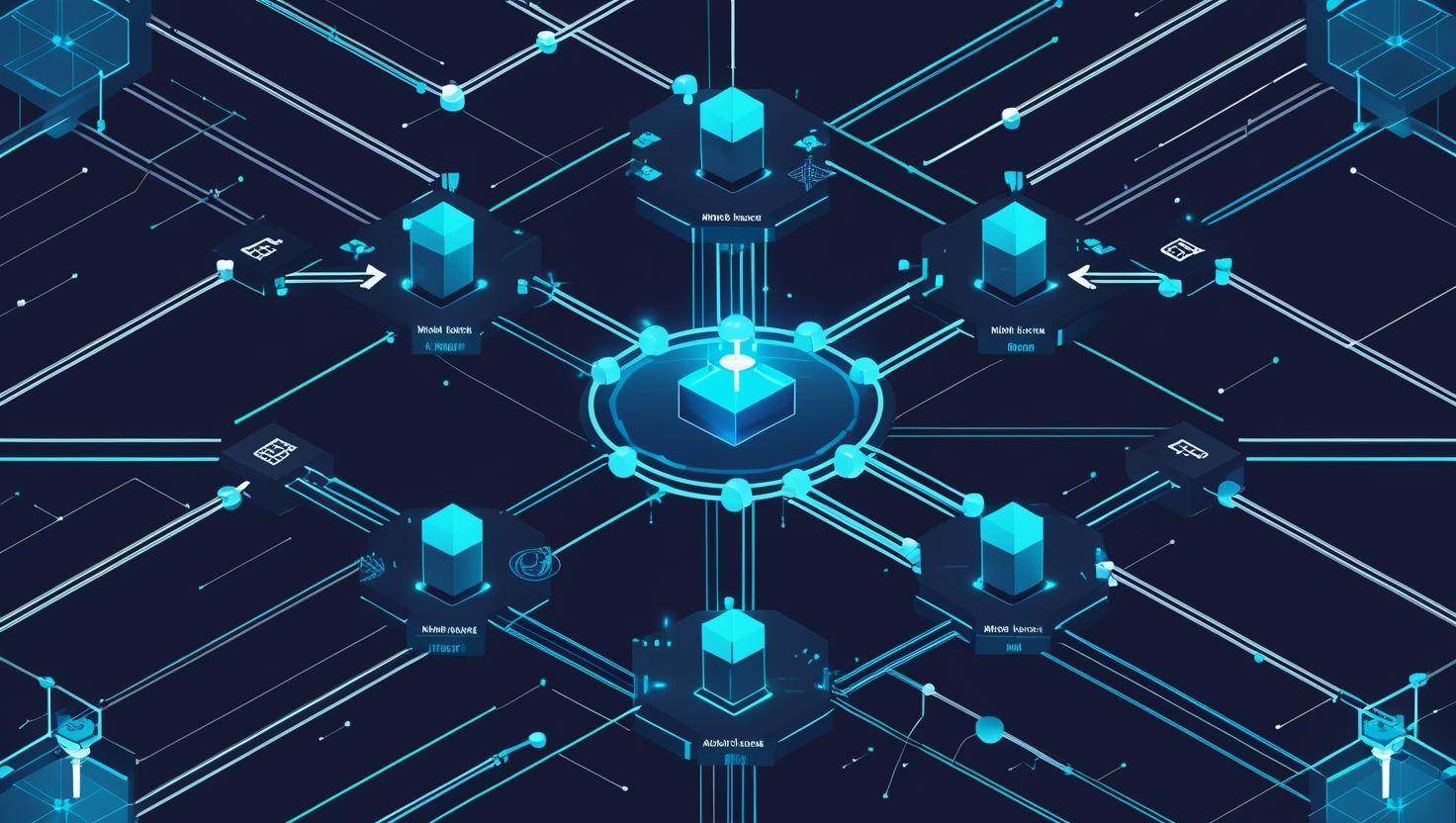
The primary function of link collection systems is to sort and organize web pages. Each collection is broken down into categories, making the collection easier to navigate and search. Each of the categories is referred to as a collection of addresses. In this collection, the addresses are not arranged randomly. Each collection is formed with a central theme or create relevancy to the user.
This collection system is effective because the web addresses are categorized and organized, saving time and making searching for relevant information less frustrating. In addition to this, the accessibility to the important information improves greatly. Whether a person is looking for games or a more educational tool, the system is organized enough to be able to find things quickly. Without the system, a person may be searching for similar or the same things and find themselves sifting through a plethora of information, making the search even more frustrating and time-consuming.
Improving Navigation with Categorization
An example of successful use of a method in link collection systems is categorization, that is, breaking down individual links into individual groups that users can use more efficiently. For instance, the collection of related website links can be organized into a single category so that users can find and access related resources without having to navigate through a collection of irrelevant links.
A good example of this is the Address Site, which uses this method to facilitate better navigation. Instead of presenting users with an overwhelming number of options, she uses the method of layering to give the user focus control, which enhances clarity and intuitiveness.
Real-Time Updates and Reliability
Modern link collection 실시간 주소 모음 systems utilize real-time updates so users can obtain constantly accurate and up-to-date updates on the statuses of URLs. For example, the latest address site automatically refreshes its collection on a schedule to remove outdated, inactive, and dead links and add newly created URLs. This ensures users can be directed to currently working WebPages.
Another benefit of the latest address collection that is frequently updated is that it can direct users/trend to newer, recently created, newly built websites that users can visit. This site can gain/trust from users who continuously use the site for its information.
Enhancing User Experience with Structured Access
Another benefit of link collection systems for users is that they can save them time and effort on their information search. In a matter of seconds on a user search, users will save the time they would have spent on search engines. This is because the search engine owner provides users choosing to provide them with their information in a way that is reasonable in terms of address.
Jusohot is a good example of how simple link collection systems use flexible Address Collections and link collections that are integrated systems. Link collection systems allow users to browse, search for, find, obtain, and retrieve the information they seek.
Conclusion
Link collection systems order the internet and manage dispersed data by transforming it into a structured, categorized, and accessible format. These systems also utilize Address Collections, real-time updates, and streamlined navigation to guide users to pertinent links and relevant information. The continuing expansion of the web necessitates the sustained utility of these systems for ordering and optimizing interaction with web content.