


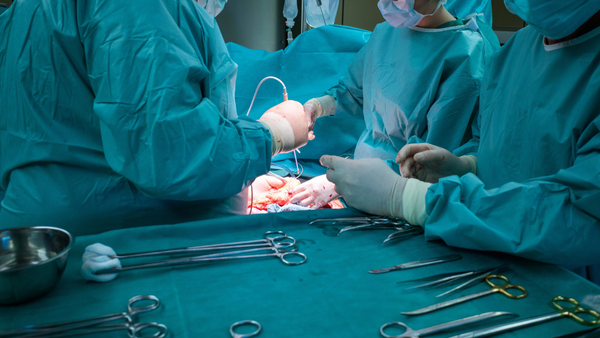
One of the most critical distinctions in the field of surgical care — and something every patient should understand before their condition worsens — is the difference between elective and emergency surgery. Whether you are consulting a Hernia Surgeon in Dubai for the first time or following up with a General Surgeon in Dubai about an existing diagnosis, knowing when your hernia requires urgent attention could genuinely be a life-saving piece of knowledge.
What Is an Elective Hernia Repair?
Elective hernia surgery refers to a planned, scheduled procedure performed at a time that is convenient for both the patient and the surgical team. Most hernias that are diagnosed early — when they are still small, reducible, and not causing significant symptoms — qualify for elective repair. The advantage of elective surgery is that the patient has time to prepare physically and emotionally, to optimise their health beforehand, to ask questions, and to arrange their personal and professional life around the recovery period. Elective repairs are also performed under less time pressure, which allows the surgical team to be thorough, methodical, and precise.
Signs That Your Hernia Is Becoming an Emergency
Not all hernias stay small and manageable. A hernia becomes a medical emergency when it becomes incarcerated — meaning the herniated tissue is stuck in the defect and cannot be pushed back in — and especially when it progresses to strangulation, where the blood supply to the trapped tissue is cut off. Strangulated hernias represent a surgical emergency: without prompt intervention, the affected tissue begins to die within hours, leading to life-threatening infection and, in the worst cases, sepsis. The warning signs of a strangulated hernia include sudden severe pain at the hernia site, a hernia that was previously reducible but is no longer, nausea and vomiting, fever, and the skin overlying the hernia appearing red, purple, or darkened.
What Happens in a Hernia Emergency in Dubai
If you present to a Dubai hospital with signs of a strangulated hernia, the surgical team will work quickly to stabilise your condition and prepare you for emergency surgery. Pre-operative blood tests, imaging, and anaesthesia assessment are conducted as rapidly as possible, and the operative repair is typically more complex than an elective procedure — partly because the surrounding tissue may be inflamed or compromised, and partly because the anatomy may be distorted by the incarcerated content. Recovery from emergency hernia repair tends to take longer than recovery from planned surgery, and the complication rate is meaningfully higher, which is one of the strongest arguments for addressing a known hernia before it reaches the emergency stage.
The Role of Conservative Management in Some Cases
For patients who have a small, asymptomatic hernia and a number of competing health concerns that make surgery risky, a conservative approach — watchful waiting — may be appropriate for a limited period. This approach involves regular clinical monitoring, patient education about the warning signs of deterioration, activity modification to avoid straining, and a clear plan for when surgery will be pursued. It is important to note that watchful waiting is a deliberate, supervised strategy agreed between patient and surgeon — it is not the same as ignoring a hernia or hoping it will go away. Any change in symptoms during the watchful waiting period should prompt an immediate return to the surgeon.
How to Avoid the Emergency Room — Practical Advice
The single most effective thing any hernia patient can do to avoid a surgical emergency is to act early. If you have noticed a lump, experienced unexplained groin or abdominal discomfort, or been told by another doctor that you may have a hernia, do not delay seeking a specialist consultation. Dubai’s healthcare system is designed to make specialist access straightforward and timely, with most hospitals and clinics able to offer consultations within a few days of contact. Early diagnosis, early planning, and early surgery when indicated are the three pillars of safe hernia management — and all three are readily available in Dubai for those who choose to act.
