


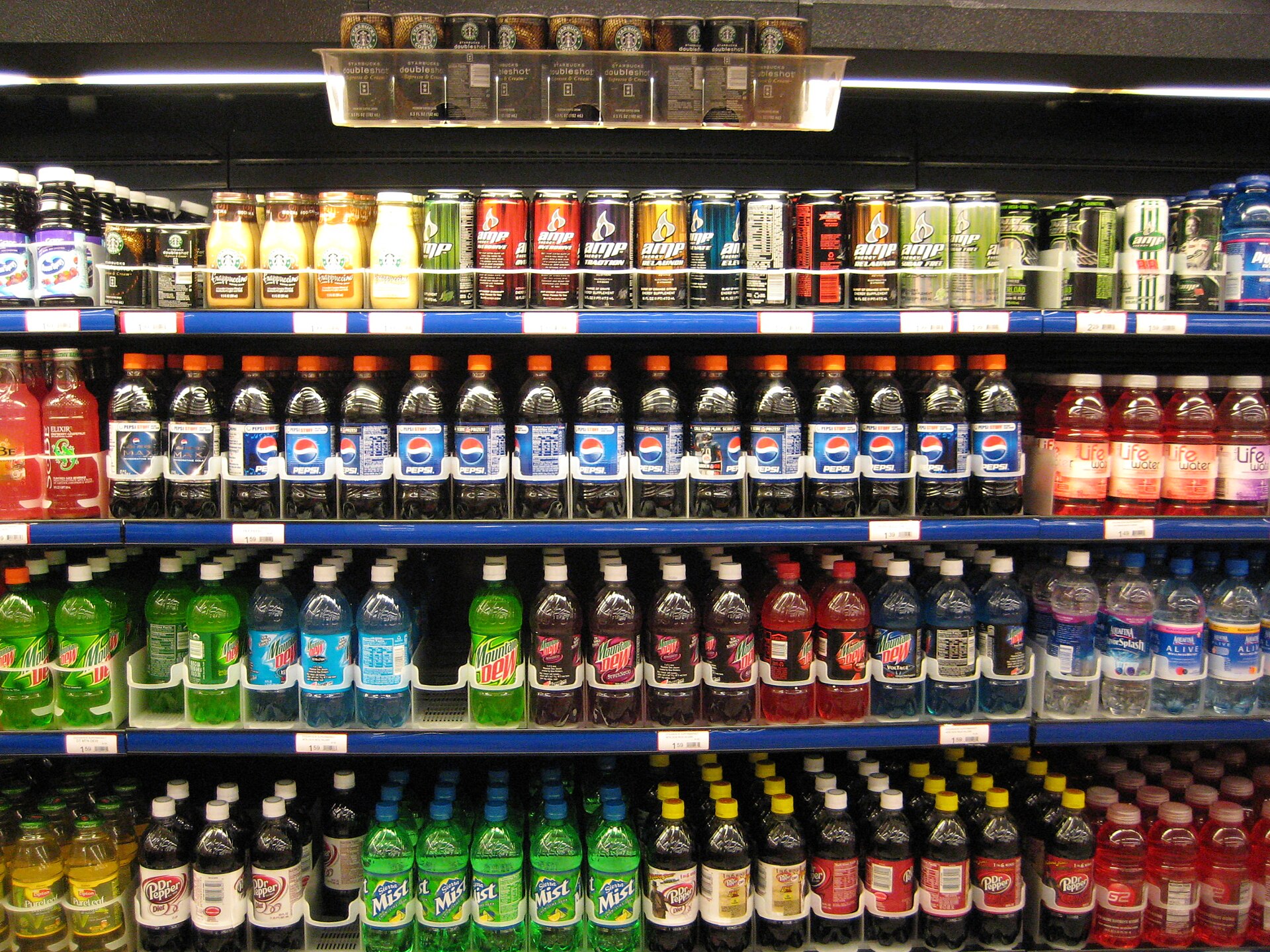
Around nine in ten research papers disputing the standard definition of ultra-processed foods were written by authors with links to the food industry, a new study has found. The analysis examined published papers challenging how ultra-processed products are classified and checked their authors’ declared connections to food companies, including employment, consultancy and research funding.
The study’s authors emphasise that their findings concern transparency rather than misconduct. Industry-affiliated researchers can produce valid work, they note, and the definition in question has attracted criticism on scientific grounds. But they argue the concentration of ties on one side of the debate should be visible to policymakers and the public.
The classification system
The definition at issue is the NOVA classification, developed at the University of São Paulo. It divides foods into four groups according to processing. Ultra-processed foods, the fourth group, include soft drinks, packaged snacks, confectionery, instant noodles and reconstituted meat products — industrial formulations typically containing additives and ingredients not used in home cooking.
Critics argue that NOVA groups together products with differing nutritional profiles and may classify some acceptable foods as ultra-processed. Supporters maintain the system captures the health-relevant effects of industrial processing. Public health agencies, including the World Health Organization, continue to review evidence linking high consumption of such products to adverse outcomes, much of it observational.
Why the finding matters
Funding audits in other fields have shown that sponsored research can shape a debate without any single study being fabricated — by selecting research questions, framing results and amplifying favourable conclusions. The new study reports a similar asymmetry: papers questioning the ultra-processed definition were far more likely to carry industry connections than the broader research literature on the subject.
Editors and journalists are among the intended audiences. A headline that scientists dispute a definition reads differently when most of those scientists have industry ties, and disclosure statements are now standard in reputable journals precisely so that readers can make that judgement. Academic centres such as the Harvard T.H. Chan School of Public Health advise assessing the total body of evidence before drawing dietary conclusions.
Background: the wider evidence
The classification debate sits on top of a substantial body of outcome research. Large cohort studies in Europe and the Americas have repeatedly found that people whose diets contain the highest share of ultra-processed products face higher rates of obesity, cardiovascular disease and early death than those whose diets contain the least. These studies adjust for many confounding factors but remain observational, which is why health agencies generally describe the evidence as a growing concern rather than a settled causal proof.
It is that unresolved status that makes the definition commercially important. So long as the category itself can be portrayed as scientifically unstable, measures built on it — warning labels, marketing restrictions, procurement rules for schools and hospitals — face delay. The new audit therefore lands in the middle of an active policy argument, and its authors say that is precisely why the funding behind the argument deserves public attention.
Policy and consumer implications
The debate feeds directly into labelling policy. Several countries have introduced processing-related warnings on packaged foods, and US labelling is overseen by the US Food and Drug Administration. Officials considering similar measures must rely on classifications whose scientific standing is actively contested — a contest this study suggests has been asymmetrically financed.
For consumers, researchers offer measured advice. The study does not establish that any particular product causes harm, nor does it end legitimate argument about NOVA’s limits. It does support checking who funded a study before accepting its conclusions at face value. Related coverage of how health evidence is communicated appears in this recent article and this related explainer.
Industry groups have historically argued that collaboration between companies and scientists is longstanding, disclosed, and essential to food safety and innovation research — a position the study’s authors acknowledge while maintaining that the scale of the imbalance they documented is itself newsworthy. Debate over the findings is expected to continue in the journals and at nutrition conferences this year.
