


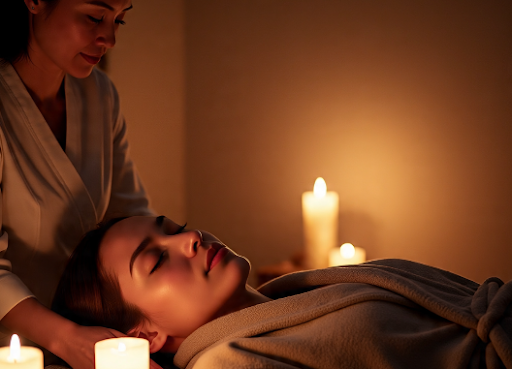
The human body has an incredible ability to heal itself. From repairing tired muscles to restoring emotional balance, natural healing processes are always at work beneath the surface. However, modern lifestyles often interfere with this ability. Stress, poor posture, limited movement, and constant mental pressure can slow the body’s natural recovery. Massage therapy plays a powerful role in restoring these healing processes by supporting the body rather than forcing change.
Massage therapy is not a shortcut or a temporary solution. It works gradually, gently guiding the body back toward balance. https://www.vivigimassage.com/jongro By understanding how massage supports natural healing, it becomes clear why it is widely used as part of holistic wellness and recovery practices.
The Body’s Built-In Healing System
The body is designed to heal through circulation, nervous system regulation, and tissue repair. When these systems function properly, recovery happens efficiently. Muscles relax after use, inflammation decreases, and energy levels stabilize. However, when stress becomes constant, these systems struggle to operate at full capacity.
Massage therapy supports the body’s healing system by removing obstacles that slow recovery. Tight muscles, restricted blood flow, and an overactive stress response are gently addressed through skilled touch. This creates an environment where healing can occur naturally and consistently.
How Touch Influences Physical Recovery
Human touch has a direct effect on the body’s healing responses. Massage uses intentional, controlled touch to communicate safety and relaxation to the nervous system. This signal allows the body to shift out of constant alert mode and into a state of repair.
As muscles receive pressure and movement, they begin to soften and release stored tension. This relaxation reduces strain on surrounding tissues and joints, allowing the body to move more freely. Over time, this physical ease supports natural healing and prevents further stress-related damage.
Improving Circulation for Tissue Repair
Healthy circulation is essential for healing. Blood delivers oxygen and nutrients to tissues while carrying away waste products that accumulate during physical activity or stress. When muscles are tight or compressed, circulation can become restricted.
Massage therapy enhances circulation by encouraging blood flow through relaxed tissues. As circulation improves, healing processes accelerate. Muscles recover faster, inflammation decreases, and tissues regain flexibility. This improved internal environment supports the body’s ability to repair itself without external intervention.
Releasing Muscle Tension That Blocks Healing
Chronic muscle tension is one of the most common barriers to natural healing. Tension limits movement, increases discomfort, and places unnecessary pressure on joints and nerves. Massage therapy addresses this issue by working through layers of muscle tissue.
Gradual pressure and movement help muscles let go of prolonged contraction. This release allows muscles to return to their natural resting state. As tension decreases, the body experiences less pain and greater mobility, making healing more efficient and sustainable.
The Role of the Nervous System in Recovery
The nervous system controls how the body responds to stress, rest, and healing. When it remains overstimulated, the body prioritizes survival over repair. Massage therapy helps regulate this system by promoting calm and balance.
During massage, breathing slows, heart rate decreases, and stress responses soften. This shift allows the body to focus on healing rather than defense. Over time, regular massage trains the nervous system to return to a balanced state more easily, supporting long-term recovery.
Reducing Stress to Support Natural Healing
Stress has a direct impact on the body’s ability to heal. It increases muscle tension, disrupts sleep, and weakens immune responses. Massage therapy helps reduce stress by creating a physical and mental space for relaxation.
As stress levels decrease, the body’s healing mechanisms become more effective. Inflammation reduces, energy levels stabilize, and sleep quality improves. This reduction in stress supports healing across multiple systems without the need for medication.
Supporting the Body After Physical Strain
Physical strain from work, exercise, or daily movement can leave the body fatigued and sore. Massage therapy supports recovery by addressing both immediate discomfort and underlying tension patterns.
By improving circulation and relaxing muscles, massage helps the body recover from strain more efficiently. This support is especially valuable for individuals who experience repeated physical demands, as it helps prevent minor issues from becoming chronic problems.
Enhancing Flexibility and Joint Function
Healing is not limited to muscles alone. Connective tissues and joints also benefit from massage therapy. Gentle manipulation improves flexibility and reduces stiffness, allowing joints to move more comfortably.
This increased mobility supports proper alignment and reduces unnecessary strain during movement. Over time, improved flexibility contributes to better posture, smoother motion, and reduced risk of discomfort caused by restricted movement.
Emotional Healing Through Physical Relaxation
Emotional stress often manifests physically, creating tension and discomfort in the body. Massage therapy supports emotional healing by addressing physical tension linked to emotional strain.
As the body relaxes, emotional pressure often softens as well. Many people experience a sense of emotional release during or after massage sessions. This connection between physical relaxation and emotional relief highlights the body’s role in emotional healing.
Encouraging Better Sleep and Recovery Cycles
Sleep is one of the body’s most important healing tools. Without quality sleep, recovery slows and stress accumulates. Massage therapy supports better sleep by calming the nervous system and reducing physical discomfort.
Regular massage helps the body enter a relaxed state more easily at night. Improved sleep allows tissues to repair, energy levels to replenish, and mental clarity to improve. This restorative cycle strengthens the body’s natural healing capacity.
Building Awareness to Prevent Future Strain
Massage therapy increases awareness of how the body holds tension. By experiencing areas of tightness and release, individuals become more conscious of posture, movement, and stress habits.
This awareness helps prevent future strain by encouraging healthier movement patterns and stress responses. 화곡역 출장 Healing becomes proactive rather than reactive, supporting long-term wellness.
Consistency and Long-Term Healing Benefits
While a single massage session can provide relief, consistent massage offers deeper healing benefits. Regular sessions help maintain muscle flexibility, balanced circulation, and nervous system stability.
Over time, the body becomes more resilient. Recovery happens faster, discomfort becomes less frequent, and stress has a reduced impact. Massage therapy becomes a supportive practice that maintains health rather than simply addressing problems.
A Natural and Supportive Healing Approach
Massage therapy does not force the body to heal. Instead, it creates conditions that allow healing to happen naturally. This gentle approach respects the body’s limits and works alongside its natural processes.
Because it is non-invasive and adaptable, massage therapy suits a wide range of individuals and lifestyles. It complements other wellness practices and supports overall health without replacing medical care when needed.
Conclusion
Massage therapy plays a vital role in helping the body heal naturally. By improving circulation, releasing muscle tension, calming the nervous system, and reducing stress, it supports the body’s built-in recovery systems. Its effects extend beyond physical relief, influencing emotional balance and overall well-being.
In a world where stress and physical strain are common, massage therapy offers a natural, effective way to restore balance and support healing. When practiced regularly, it becomes more than a treatment—it becomes a trusted partner in maintaining health, comfort, and resilience over time.
