


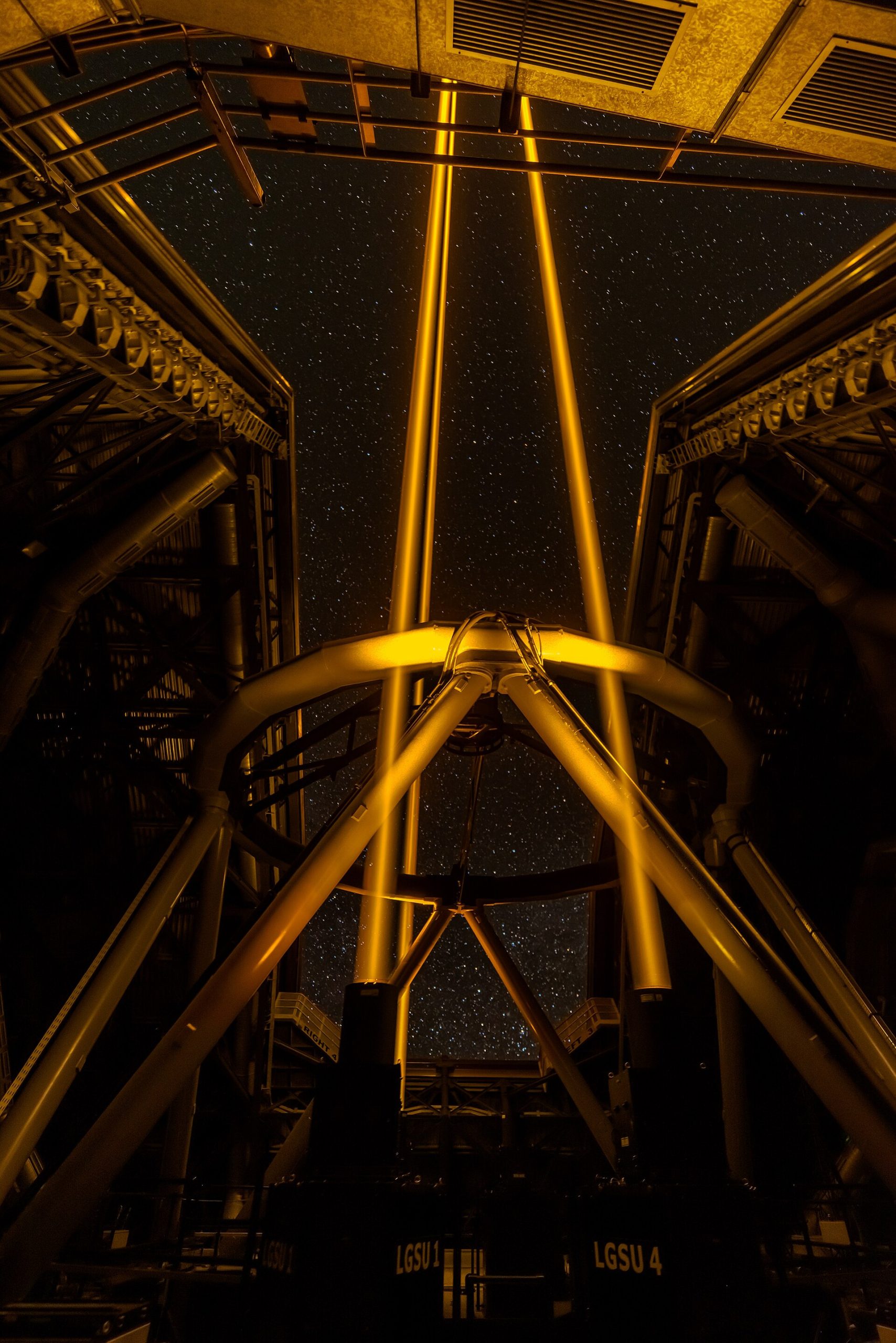
A generation ago, astronomers could barely prove that planets existed around other stars. Today they are analysing those planets’ atmospheres — detecting water vapour, carbon dioxide, methane and clouds on worlds dozens or hundreds of light-years away. The technique is delicate: as a planet crosses its star, a tiny fraction of starlight filters through the thin ring of its atmosphere, carrying a chemical fingerprint. By measuring that fingerprint with extraordinary precision, telescopes can begin to answer what these distant worlds are actually like.
It is painstaking work. The signal is a whisper compared with the star’s glare, and a single observation rarely settles anything. Teams combine multiple transits, argue over calibration and publish results with careful caveats. Yet the progress reported by readers of bulletinnewsdaily.com in recent years is unmistakable: atmospheric science has moved from our solar system to planets orbiting other suns.
How you taste light from another world
The method, called transmission spectroscopy, depends on timing and patience. Telescopes record the star’s spectrum before, during and after a transit, then subtract everything that stays constant. What remains — differences as small as a few parts in ten thousand — reveals molecules in the planet’s air. Space telescopes have a decisive advantage because Earth’s own atmosphere does not contaminate the measurement, while giant ground-based telescopes compensate with sheer collecting power.
Missions and results highlighted by NASA show the field maturing quickly. Early detections concentrated on large, hot gas giants because their puffy atmospheres give the strongest signals. Attention is now shifting to smaller, cooler planets, including rocky worlds in the zones where temperatures might allow liquid water.
The habitability question, handled carefully
Every detection of an interesting molecule triggers headlines about life, and astronomers are the first to urge restraint. Oxygen, methane or other so-called biosignatures can also be produced by geology and chemistry with no biology involved. A credible claim would need several gases in unexpected combination, a well-understood planet and the exclusion of every plausible non-living explanation. That is a high bar, and deliberately so.
Our News reporting tries to keep that distinction clear: finding the ingredients for habitability is exciting science in its own right, and it is not the same as finding inhabitants. Knowing whether a rocky planet has an atmosphere at all — many may have been stripped bare by their stars — is itself a major step that shapes where future telescopes should look.
Clouds, winds and weather reports for other planets
Atmospheric studies are also producing the first rough weather reports for exoplanets: temperature differences between day and night sides, winds that carry heat around the globe and cloud layers that hide the depths below. Journals such as Nature regularly publish these reconstructions, which test the same physics used in climate and weather models at home, under conditions far more extreme than anything on Earth.
What comes next
The next leap will be direct imaging — blocking the star’s light to photograph the planet itself — and larger space telescopes designed specifically to study Earth-sized worlds. Those missions are years away, but the target lists are being drawn up now from today’s atmospheric surveys. Each transit observed adds a line to a growing catalogue of alien air. Humanity is learning, molecule by molecule, what other worlds are made of — and the catalogue has only just been opened.
The work is also a reminder of how recently this was impossible. The first exoplanets were found only in the 1990s, initially around a dead star, then around a sun-like one, to widespread astonishment. Within a single research career, the field has moved from arguing whether other planetary systems exist to comparing their weather. That pace explains the palpable excitement in the community, and also its caution: a discipline moving this fast knows that today’s catalogue of a few thousand worlds, and the handful whose air has been sampled, is a beginning rather than a survey. The planets are patient. The telescopes are only now catching up with them.
