


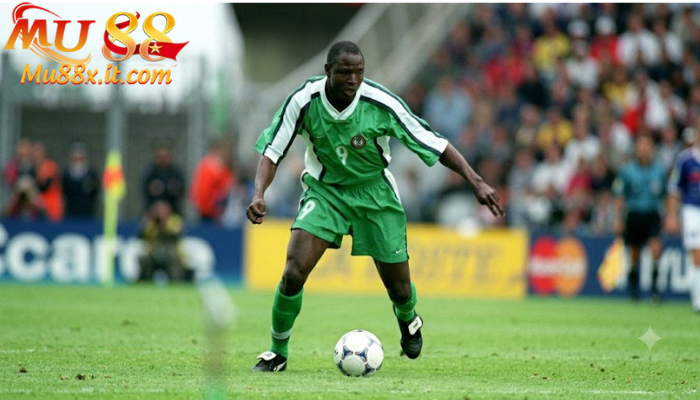
Imagine standing in the sun-drenched stands of a stadium in 1994, watching a powerful figure in a green jersey ripple the net and then clutch it in a moment of pure, raw emotion. This was the iconic image of Rashidi Yekini, a man whose physical presence and clinical finishing redefined African football on the global stage. During his peak years, his influence was so vast that fans often looked for his name first on the team sheet, much like how modern gamers look for the top-tier experience at MU88 when seeking high-quality digital entertainment. Beyond that, his journey from the streets of Kaduna to the elite leagues of Europe serves as a blueprint for perseverance and excellence. It is interesting to note that his rise coincided with a golden era of Nigerian sports, attracting the kind of dedicated following usually reserved for immersive platforms like Bắn Cá TP in the modern era.
The Formative Years of a Nigerian Icon
The story of this legendary striker began in the humble surroundings of northern Nigeria, where his natural athleticism was evident from a very young age. He did not have the luxury of modern training facilities, but he possessed an innate ability to find space in the penalty area that could not be taught. Rashidi Yekini honed his skills playing for local clubs like UNTL Kaduna, where his goal-scoring record quickly became the talk of the town. Notably, his transition to Shooting Stars in Ibadan marked the moment he became a national household name, leading the team to significant domestic success.
Conquering Europe with Vitoria Setubal
When the striker arrived in Portugal to play for Vitoria Setubal, few expected him to become one of the most prolific scorers in the history of the Primeira Liga. Rashidi Yekini found a second home in Setubal, where the fans embraced his humble nature and his relentless work ethic on the pitch. In the 1993-1994 season, he achieved the remarkable feat of becoming the league’s top scorer, proof of his capacity to go toe-to-toe with the globe’s top talent. Notably, the tactical discipline he learned in Portugal helped him refine his positioning, making him even more dangerous in the box.
Winning the Bola de Prata was not just a personal victory but a milestone for African footballers playing abroad. It proved that a player from the Nigerian league could transition to a top European division and dominate the scoring charts. Another key aspect of his time in Portugal was his partnership with talented midfielders who understood his runs, allowing him to focus entirely on finishing. For those who followed Portuguese football at the time, his name became synonymous with power and precision.
The 1994 World Cup and National Glory
The year 1994 remains the most significant chapter in the history of Nigerian football, largely due to the contributions of the Super Eagles’ greatest ever number nine. Rashidi Yekini was the focal point of a team that many considered the most talented generation the country had ever produced. In addition, his goal against Bulgaria in Nigeria’s opening match of the World Cup became an instant classic, not just for the strike itself, but for his emotional celebration inside the goal net. This moment encapsulated the pride of a nation and the personal triumph of a man who had worked tirelessly to reach that stage.
In recognition of his incredible performances for both club and country, he was named the African Footballer of the Year in 1993. This award was a formal acknowledgment of his status as the premier striker on the continent, a position he held with grace and humility. Notably, his success helped elevate the profile of the Nigerian national team, leading them to a historic victory in the 1994 African Cup of Nations. For those who study the history of the sport, his impact on the growth of African football’s reputation cannot be overstated.
One thing very few actually pay attention to is how his presence on the pitch changed the way opponents defended against Nigeria. Teams were often forced to double-team him, which created space for other talented attackers like Amuneke and Amokachi to exploit. This tactical gravity was a key reason why the Super Eagles were so prolific during the mid-nineties. In addition, his ability to act as a target man allowed the team to transition quickly from defense to attack, a style that became their trademark.
Legacy and the Enduring Spirit of Number Nine
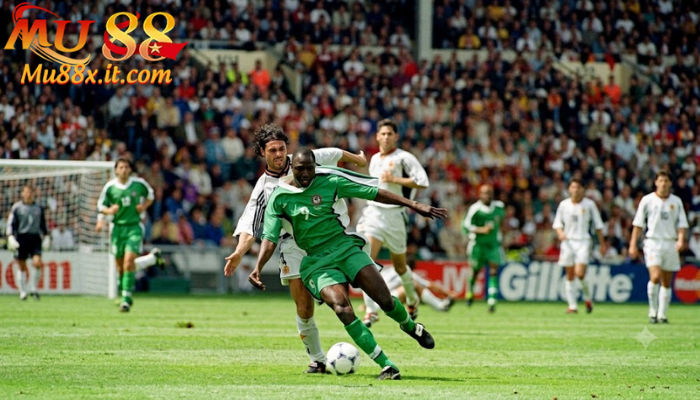
The passing of the legendary forward was a somber moment for the football world, but his legacy continues to inspire millions of young athletes across Africa. Rashidi Yekini is remembered not just for the goals he scored, but for the dignity with which he carried himself throughout his life. Another key aspect of his enduring appeal is the way he remained connected to his roots, often returning to Nigeria to support local initiatives and youth development. For those who value the history of the game, he remains the gold standard for what a striker should be.
In recent years, there have been numerous calls to further honor his memory through national monuments or the naming of sporting facilities. A significant portion of the football community believes that his contributions to the national identity of Nigeria deserve permanent recognition. Beyond that, the memories of his goals continue to live on through digital archives and the stories told by those who were lucky enough to see him play live. His impact is as lasting as the most engaging digital experiences, such as the ones found at Bắn Cá TP, which provide joy to thousands daily.
The Ghost in the Machine: Why This Legend Never Truly Dies
The life and career of Rashidi Yekini represent the very best of what football can offer: passion, excellence, and the ability to unite a nation. From his early days in Kaduna to the world stage in the United States, he remained a symbol of Nigerian strength and talent. His records may one day be broken, but the emotional connection he forged with the fans will remain forever. For those who seek the same level of excitement and reliability in their leisure time, exploring the diverse options at MU88 can provide a modern parallel to the thrill of a last-minute goal.
Conclusion
Whether you are a student of football history or a casual fan, the story of Africa’s greatest striker is one that deserves to be told and retold for generations. Just as players immerse themselves in the vibrant world of Bắn Cá TP to find success and rewards, we can all look to Yekini’s career as a source of inspiration for our own pursuits. Start your journey today. His unwavering determination, humility, and relentless pursuit of excellence continue to inspire young footballers across the globe. Beyond his remarkable goal-scoring record, Yekini represented resilience, national pride, and the belief that dedication can overcome adversity. His achievements remain a lasting symbol of African football’s growing influence on the international stage, encouraging future generations to dream bigger, work harder, and embrace every opportunity to achieve greatness both on and off the pitch.
